
Things to Do in Ethiopia in April
April weather, activities, events & insider tips
Shoulder Season · Good Value
April Weather in Ethiopia
Long-run averages for April in Addis Ababa
77°F (25°C)
High Temp
53°F (12°C)
Low Temp
3.6 inches (91 mm)
Rainfall
62%
Humidity
14
Sunny-Day UV
⚠ UV radiation at Ethiopian highland altitudes is extreme. The thin atmosphere above 2,300 m (7,546 ft) means unprotected skin can burn within thirty minutes even on overcast days, and many visitors underestimate this risk because the air temperature feels temperate rather than tropical.
⚠ Acute mountain sickness affects a significant number of visitors arriving from sea level. Addis Ababa at 2,355 m (7,726 ft) is already high enough to trigger symptoms in sensitive individuals, and key destinations like Lalibela, the Simien Mountains, and the Bale Mountains sit considerably higher. Symptoms typically appear six to twelve hours after arrival and include headache, nausea, dizziness, and disrupted sleep. Acclimatize gradually. Carry appropriate medication.
Making the most of April in Ethiopia? Browse tours and activities in Ethiopia on GetYourGuide.
Is April Right for You?
Weigh the advantages and considerations before booking
Advantages
- + Fasika, Ethiopian Orthodox Easter, likely falls in mid-to-late April 2027. It transforms Lalibela's rock-hewn churches and Addis Ababa's cathedrals into candlelit all-night liturgical spectacles. Pilgrims arrive from every region of the country. This is one of the most intense religious experiences anywhere on Earth. April is the month you witness it.
- + April is the last reliable window for Ethiopia's northern historical circuit. Think Lalibela, Gondar, Axum, the Simien Mountains. The heavy Kiremt rains arrive in June and turn unpaved highland roads to impassable mud. Flights between northern towns still run on schedule. Trekking trails in the Simiens remain firm underfoot. Book now.
- + Early Belg rains have started greening the highlands. They have not yet delivered the daily deluges of the main wet season. The plateau around Lalibela, often brown and dusty from October through February, shows fresh grass and wildflowers by mid-April. The landscape becomes far more photogenic than during peak dry season. Your camera will thank you.
- + Tourist numbers sit well below the October-through-January peak. This means shorter waits at Lalibela's churches. You get better availability at highland lodges. Experienced English-speaking guides become easier to find. They get booked out months ahead during the Christmas and Timkat season. April is smarter.
Considerations
- − Afternoon showers grow more frequent as the Belg season deepens. Addis Ababa averages 91 mm (3.6 inches) of rain in April. Most falls in sharp bursts during the afternoon hours. It can disrupt open-air plans. Unpaved streets turn muddy enough to slow you down for an hour or two. Pack accordingly.
- − Fasika fasting and celebration days reduce services in smaller towns. Restaurants outside Addis may serve only fasting menus during the 55-day Hudade fast leading up to Easter. These are entirely plant-based, no meat or dairy. Some shops and transport services shut down entirely for the holiday itself. Plan ahead.
- − Altitude hits harder than most first-timers expect. Addis Ababa sits at 2,355 m (7,726 ft). Lalibela sits at 2,630 m (8,629 ft). Simien Mountains treks push above 4,000 m (13,123 ft). Headaches, shortness of breath, and poor sleep are common for the first two to three days. The slightly lower barometric pressure from incoming Belg rains can make the adjustment period feel worse. Take it slow.
Short on time in April? See day trips around Ethiopia on GetYourGuide.
Best Activities in April
Top things to do during your visit
April settles over Ethiopia like a slow exhale between seasons. The small rains, known locally as belg, have begun to green the highlands around Addis Ababa. The air carries the mineral scent of damp red earth mixed with eucalyptus from the groves that blanket the capital's hillsides. Daytime temperatures hover around 25 degrees Celsius, warm enough for shirtsleeves but tempered by the altitude. Addis Ababa sits above 2,300 metres, so mornings and evenings drop to a cool 12 degrees that makes a light jacket essential. Rainfall in April averages about 91 millimetres, arriving mostly in short afternoon showers that sweep through, drumming on corrugated rooftops for an hour before the sky clears to reveal sharp equatorial light. Compared to the heavy kiremt rains of July and August, when the country receives more than triple April's precipitation, this is a month that still rewards travel with long dry mornings and golden late-afternoon sun. Ethiopia in April feels unhurried. The coffee harvest is months past. But the roasting never stops. Walk any residential lane in Addis Ababa and the dark, caramel-sweet smoke of a jebena ceremony drifts from doorways, green beans crackling on a flat pan over charcoal. Markets like Merkato heave with fresh teff, its fine grains sifting between fingers like warm sand, stacked beside pyramids of golden berbere spice that sting the nostrils from a metre away. The country's food culture is inseparable from its daily rhythms. Injera, the spongy, slightly sour flatbread that is both plate and utensil, appears at every meal, torn by hand and loaded with slow-simmered wots whose turmeric and fenugreek stain fingers a faint yellow. For travellers asking whether Ethiopia is safe to visit, Addis Ababa and the well-established tourist circuits, the historical north, the Omo Valley in the south, have long welcomed independent travellers, though standard precautions apply as in any major African capital. Visa requirements are straightforward: most nationalities obtain an e-visa before arrival. April sits in a comfortable window before the main wet season, making it one of the more reliable months for overland travel across the country's varied terrain.

Vintage Coffee Shops, Restaurants, Sightseeing in Addis Ababa
guided_experienceThis tour in Addis Ababa threads through the capital's layered food history by way of its oldest and most atmospheric cafes. You duck into wood-panelled rooms where the hiss of steam wands mingles with Amharic conversation and the walls are hung with oil paintings of Ethiopian saints, then emerge onto wide Italian-era boulevards lined with jacaranda just beginning to shed violet petals in the April breeze. The tour connects Addis Ababa's colonial-period architecture, arched doorways, terrazzo floors worn smooth by decades of foot traffic, with its contemporary dining scene, where chefs are reworking kitfo and tibs with locally foraged herbs.
This tour maps Addis Ababa's identity through its table, tracing how Italian occupation, Orthodox fasting traditions, and highland agriculture converge in a single cup of coffee and a plate of food.
Insider tip: Ask your guide to include Tomoca, the narrow standing-room espresso bar near Churchill Avenue where regulars knock back macchiatos in under two minutes. The crema is dense, bittersweet, and unlike any chain espresso you have tasted.

Addis Ababa Food Tasting Tour
foodThis tour takes you elbow-deep into the capital's street food and neighbourhood restaurants, where the sharp tang of fermented injera hits before you even sit down. You eat in the places locals eat, cramped rooms with bench seating where a communal plate arrives on a wide metal tray, piled with crimson doro wot, its slow-cooked chicken falling from the bone in a sauce thick with berbere and niter kibbeh, the spiced clarified butter that gives Ethiopian cooking its unmistakable richness. Between stops, the streets of Addis Ababa hum with the clatter of bajaj three-wheelers and the call of fruit vendors stacking papaya so ripe its orange flesh splits under its own weight.
This is the fastest route to understanding Ethiopian cuisine on its own terms, not adapted for foreign palates. But served the way families in Addis Ababa eat.
Insider tip: If you eat meat, request a stop that serves raw kitfo, hand-minced beef dressed in mitmita chilli powder and warm niter kibbeh, and watch how the butcher scrapes the loin with a curved blade. The texture should be silky, never grainy.

Addis Ababa City Tour - Museums, Markets & Coffee Experience
culturalThis tour compresses the capital's sprawl into a single coherent day. At the National Museum, the small, dimly lit room housing the 3.2-million-year-old fossilised bones of Lucy, Dinkinesh, as Ethiopians call her, is hushed and cool, the skeleton spotlit against dark fabric, smaller than you expect and yet staggering in its implications. From there, the tour plunges into Merkato, one of the largest open-air markets on the African continent, where the noise is a physical force: metal-shapers hammering recycled aluminium, spice merchants calling out prices, the low rumble of diesel trucks inching through alleys barely wider than their mirrors. The coffee segment at the end lets you sit cross-legged on a low stool while green beans roast on a flat pan, the smoke deliberately wafted toward you with a hand fan. The aroma is dense, almost chocolatey, nothing like pre-ground supermarket coffee.
This single-day tour covers the intellectual, commercial, and sensory heart of Addis Ababa, giving first-time visitors to Ethiopia enough grounding to navigate the city independently afterward.
Insider tip: At Merkato, keep your valuables in a front pocket or money belt and leave your camera in your bag unless your guide signals it is appropriate. Photographing vendors without asking is considered rude, and asking first almost always gets a smile and a yes.
This month: April's afternoon showers in Addis Ababa, averaging 91 millimetres for the month, typically arrive after 14:00. An early start ensures the outdoor Merkato portion of this tour stays dry.

6-Day Omo Valley Cultural Private Tour
private_tourThis tour drops south from Addis Ababa into a landscape that feels geologically and culturally remote from the highland capital. The Omo Valley's lower elevations are warmer and drier than the plateau, and the air thickens with dust and the sweet, resinous scent of acacia as you descend. Over nearly a week, you move between communities, the Hamar, whose women wear heavy iron torques and ochre-reddened braids that catch the light like polished copper. The Mursi, known for ceramic lip plates and elaborate scarification whose raised patterns trace clan identity across the skin. The Karo, who paint their bodies in white chalk and ochre drawn from riverbank clay. Each day brings a different settlement, a different language, a different way of reading the land. This is not a spectator experience if approached respectfully: you sit, you share coffee, you ask questions through your guide, and you listen.
The Omo Valley remains one of the last places on earth where dozens of distinct ethnic groups live in close proximity, each maintaining traditions, body art, pastoral rhythms, age-grade ceremonies, that predate the Ethiopian state by millennia.
Insider tip: Bring small, practical gifts rather than sweets or money. Solar-powered torches, sewing kits, and school supplies are welcomed and do not contribute to the dependency cycle that cash handouts create.

Addis Ababa City Tours With Cocking Class of Ethiopian Food
guided_experienceThis tour puts you on both sides of the kitchen, first as a spectator in the capital's streets and markets, then as a participant with a knife, a cutting board, and a mound of shallots to reduce to a fine, eye-watering pulp. The cooking portion teaches the patient, low-heat technique behind a proper wot: shallots cooked down without oil until they release their own moisture, then layered with berbere spice paste whose heat builds slowly, a warm flush rather than a sharp burn. You learn to pour injera batter in a spiral across a hot clay mitad, watching the surface erupt in tiny craters as the teff ferments and sets, the finished bread peeling off with a satisfying, damp slap. The smell of your own cooking, smoky, peppery, undercut by the tang of fermenting batter, stays in your clothes for the rest of the day, which is a souvenir of sorts.
This is the only way to leave Ethiopia able to reproduce its signature dishes at home, because the technique, the hours-long shallot reduction and the injera fermentation, cannot be learned from a recipe alone.
Insider tip: Ask the instructor to let you practice flipping the injera on the mitad at least three times. The first attempt always tears, and the muscle memory of the wrist motion is what you will take home.

5 Days Omo Valley Tribal Tours
guided_experienceThis tour covers similar ground to the longer private expedition but at a tighter pace, trading rest days for more concentrated immersion. You travel by four-wheel drive over laterite roads that glow rust-red against the green scrub, the vehicle kicking up fine dust that coats everything, skin, camera lenses, the inside of your water bottle cap. The itinerary moves through Jinka, the gateway town where the South Omo Research Center offers context before you meet the communities themselves, and then into the valley floor where the Omo River, brown, slow, edged with fig trees whose roots grip the eroding banks, defines the rhythm of life. Encounters with the Hamar, Mursi, and Dassanech peoples are structured but not staged: you arrive during the ordinary flow of the day, which might mean watching women grind sorghum on a flat stone, the rhythmic scraping audible from across the compound, or sitting through a coffee preparation where the beans are roasted over a wood fire whose smoke curls upward through a thatched roof.
Five days is enough to move past the initial visual shock of the Omo Valley's body art traditions and begin to understand the pastoral logic, trade networks, and seasonal migrations that underpin them.
Insider tip: Pack a headlamp and a portable charging bank. Electricity in the valley's basic lodges is generator-powered and often available only from dusk until 22:00, so a reliable light source for reading or navigating after dark is non-negotiable.
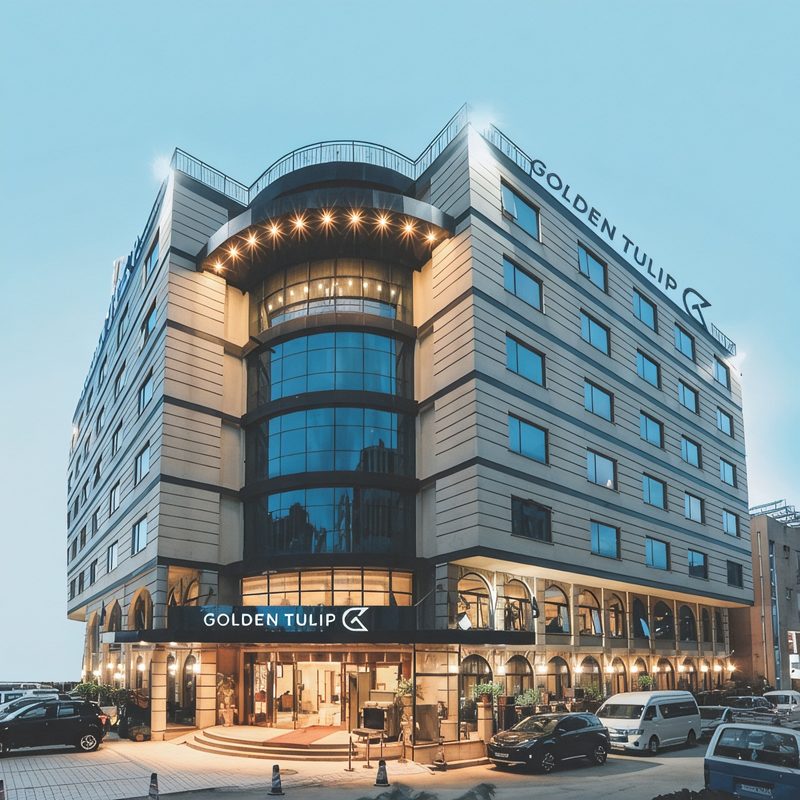
Where to Stay in Ethiopia in April
Hand-picked hotels across price tiers for April travellers.

Public Holidays in April
Dates that affect opening hours, transport and crowds
ስቅለት
Known in English as Good Friday. Observed nationwide as a public holiday.
ስቅለት
Known in English as Good Friday. Observed nationwide as a public holiday.
ብርሃነ-ትንሣኤ/ፋሲካ
Known in English as Easter Sunday. Observed nationwide as a public holiday.
Packing Checklist
Bookmark this page — your progress is saved between visits
Need the full list with shopping links?
Climate-specific gear, brand recommendations, and what to leave at home.
View Ethiopia Packing List →Essential Tips
Insider knowledge and common pitfalls to avoid
Insider Knowledge
Ethiopia runs on its own calendar and its own clock. Ignoring this will scramble your first few days. The Ethiopian calendar is roughly seven years and eight months behind the Gregorian. The twelve-hour clock starts at dawn rather than midnight. When a local says 'two o'clock,' they mean 8 AM by your watch. Get into the habit of asking 'Ethiopian time or faranji time?' Faranji means foreigner. Nobody takes offense at the question. Bus and flight schedules from international operators use Gregorian time. Local buses, churches, and market openings almost always mean Ethiopian time.
The e-visa system for Ethiopia has been running reliably. Most nationalities can apply online. Approval typically arrives within one to three business days. Apply at least two weeks before travel to leave margin for delays. Visa on arrival at Bole International Airport in Addis Ababa is available for many passport holders. The queue can stretch past an hour during peak arrival banks. The process occasionally stalls without explanation. The e-visa is worth the small effort.
Ethiopia is landlocked. The search for beaches here requires a different frame. The closest equivalent is Lake Langano in the Rift Valley, roughly 200 km (124 miles) south of Addis Ababa. It happens to be one of the few Ethiopian lakes free of bilharzia and safe for swimming. The water is tea-brown from volcanic sediment. The shoreline is scrubby rather than sandy. The hot springs at nearby Sodere make the overnight side trip worthwhile. For water that looks the part, Lake Tana near Bahir Dar is enormous and blue. Swimming is not advisable.
Ethiopian coffee is not a drink. It is a social ceremony that anchors daily life. The jebena buna ritual, green beans roasted over charcoal on a small pan until the smoke fills the room, ground by hand in a wooden mortar, brewed three times in succession in a black clay pot, and served in tiny handleless cups alongside popcorn or kolo, roasted barley, takes thirty to forty minutes and is offered as an act of hospitality in homes, shops, and roadside stops alike. Declining is considered rude. The scent of roasting beans mingled with smoldering frankincense incense is the background note of Ethiopian social life, and once you have tasted coffee prepared this way, the machine espresso at your hotel will taste thin and lifeless by comparison.
Avoid These Mistakes
Underestimating altitude and trying to do too much on day one. Addis Ababa already sits above 2,300 m (7,546 ft), and flying directly into Lalibela at 2,630 m (8,629 ft) or starting a Simien trek without acclimatization invites splitting headaches, insomnia, and nausea that can flatten your first two or three days. Spend at least one full rest day in Addis before heading higher. Drink more water than feels necessary. Skip alcohol for the first 48 hours. The temptation to power through is strong. But altitude does not negotiate.
Assuming Ethiopian food begins and ends with injera. While injera with wot is the daily staple and worth every bit of its reputation, the food culture runs much deeper than most visitors discover: tibs, sauteed meat with rosemary and green peppers sizzling on a clay plate; kitfo, minced raw beef mixed with mitmita chili and warm clarified butter that melts on contact; genfo, a thick barley porridge served at breakfast with a crater of spiced butter pooled in the center. And the fasting cuisine served during the weeks before Fasika, entirely plant-based, no dairy, no eggs, no exception, rivals any vegan food tradition on Earth. Travelers who eat only at hotel restaurants leave having tasted maybe a third of what Ethiopia cooks.
Packing a schedule designed for sea-level energy and flat terrain. Walking between Lalibela's churches involves steep stone staircases and dark tunnels at altitude where your lungs remind you that oxygen is thinner up here. The Simiens mean gaining 500-1,000 m (1,640-3,281 ft) of elevation per day on exposed trails. Even exploring Merkato in Addis is physically demanding across several square kilometers of uneven, unpaved ground at 2,355 m (7,726 ft). Build rest into every day. Start activities early when your energy peaks. Accept that moving through Ethiopia takes longer than equivalent distances at sea level.
Ready to plan your trip to Ethiopia?
Now that you've got the research covered, here's where to go next.
Explore More Activities in Ethiopia
Didn't see anything interesting yet?
Browse Viator's full catalog of tours, day trips, food experiences, and private guides in Ethiopia.
See All Ethiopia Tours on Viator