
Things to Do in Ethiopia in June
June weather, activities, events & insider tips
Low Season · Budget Friendly
June Weather in Ethiopia
Long-run averages for June in Addis Ababa
74°F (23°C)
High Temp
53°F (11°C)
Low Temp
4.7 inches (119 mm)
Rainfall
65%
Humidity
12
Sunny-Day UV
⚠ Heavy afternoon downpours in the highlands are a near-daily occurrence in June and intensify through the month. Roads in the Simien Mountains, parts of Tigray, and rural areas south of Addis Ababa can become impassable after sustained rain. Flash flooding in river valleys and low-lying areas is a real risk, for overland travelers. Plan accordingly.
⚠ Altitude-intensified UV radiation at highland elevations above 2,000 m (6,562 ft) causes sunburn through overcast skies. The combination of cloud cover and cool temperatures creates a false sense of safety. But UV exposure at Addis Ababa's altitude is significantly stronger than at sea level, and burns can develop before you feel any warmth on your skin. Wear sunscreen. Always.
Making the most of June in Ethiopia? Browse tours and activities in Ethiopia on GetYourGuide.
Is June Right for You?
Weigh the advantages and considerations before booking
Advantages
- + Green season turns the Ethiopian highlands into something most visitors never witness. The brown, dust-hazed plateaus of dry months go emerald from Addis Ababa to Lalibela. Waterfalls like Tis Abay (Blue Nile Falls, about 30 km or 19 miles from Bahir Dar) run at genuine force instead of the trickle they become by January. Photographers, take note. This is the Ethiopia that looks nothing like news footage.
- + Major sites sit nearly empty. Lalibela's rock-hewn churches, Gondar's Fasil Ghebbi fortress complex, and the stelae fields at Axum all see a fraction of their October-through-March visitor numbers. You will likely have an entire subterranean church to yourself at Lalibela. Nothing but a priest's chanting echoes off carved rock walls. That solitude changes everything.
- + Accommodation rates drop noticeably across the historical route and Addis Ababa. Hotels requiring booking months ahead during Timkat (January) or Meskel (September) tend to have wide-open availability in June. You will negotiate from a position of strength. The savings are real. Upgrade your entire trip.
- + Ethiopia's birdlife peaks in wet season. Over 20 endemic species (more than almost any country in Africa) become easier to spot when highlands green up and insects swarm. The wattled ibis, blue-winged goose, and thick-billed raven all breed in highlands during rains. Rift Valley lakes south of Addis Ababa draw migratory waterbirds in concentrations dry-season visitors miss entirely.
Considerations
- − Afternoon rains hit near-daily in the highlands. Addis Ababa's June averages 4.7 inches (119 mm) of rainfall. Most falls between about 2 PM and 5 PM in heavy, sudden bursts. This is not drizzle. The sky darkens. Temperature drops several degrees in minutes. Downpours turn unpaved roads into red-mud streams. Plan outdoor activities for mornings. Accept that afternoons become largely indoor time.
- − Rural road conditions deteriorate fast once rains set in. Unpaved roads connecting smaller towns and trekking access points in the Simien Mountains and around Tigray's rock churches become difficult. Some become impassable for standard vehicles by late June. Overland itineraries working well in November may require a 4x4 or flight alternative in June. Journey times on roads that remain open can double.
- − The Danakil Depression, one of Ethiopia's most otherworldly draws, becomes even more punishing. It is already one of the hottest inhabited places on Earth. June rains rarely reach the depression itself. But access roads from Mekelle can flood. Tour operators sometimes scale back departures. If the Danakil is your primary reason for visiting, June is likely the wrong month.
Short on time in June? See day trips around Ethiopia on GetYourGuide.
Best Activities in June
Top things to do during your visit
June marks the onset of the kiremt, Ethiopia's main rainy season, and the highlands around Addis Ababa settle into a rhythm unlike any other month. Daytime temperatures hover near 23°C, cool enough for a light jacket in the morning, while nights dip to around 11°C and carry the scent of damp eucalyptus rolling down from the Entoto Hills. Rainfall averages roughly 119 millimetres across the month, arriving most often as afternoon downpours that sweep across the city in grey curtains, drum against corrugated rooftops for an hour or two, then break apart to reveal washed skies and air so clean the light turns almost silver. The streets glisten afterward, puddles reflecting the turquoise domes of Medhane Alem Cathedral, and the city's gardens erupt with fresh green growth. For travellers willing to carry a rain shell and plan morning excursions, June offers Ethiopia at its least crowded, with shorter queues at landmarks and easier negotiations at hotels. Ethiopia's food culture runs deep, and June is a rewarding time to taste it. The rainy season brings an increase of fresh greens to market stalls, gomen, the braised collard greens served alongside injera, reaches peak tenderness now, and new-season teff is being threshed in the Debre Zeit lowlands south of the capital. Walk through Addis Mercato on a June morning and the air is thick with the smoky bite of roasting coffee beans, the tang of berbere spice paste drying on metal trays, and the earthy sweetness of raw honey stacked in wax-sealed rounds. Safety is a practical concern for first-time visitors: Addis Ababa's central districts around Bole and Piazza are well-policed and walkable, and the standard precautions of any large African capital apply, keep valuables close, use registered taxis or ride-hailing apps after dark, and stay alert in crowded transport hubs. Ethiopia requires most nationalities to obtain an e-visa before arrival, a straightforward online process. As for accommodation, Addis Ababa's hotel stock ranges from spartan budget guesthouses near the Mercato to polished international properties in the Bole neighbourhood, with mid-range options clustering around Meskel Square. June's lower tourist volume means better availability and more willingness to negotiate on room rates. The question of timing looms large for anyone planning an Ethiopian trip. June sits in a narrow window: the landscape is greener than during the dry months of November through February, the Simien Mountains are lush and photogenic, and yet the torrential rains of July and August, when monthly rainfall nearly doubles to over 230 millimetres, have not yet arrived. Lalibela's rock-hewn churches remain accessible, the Omo Valley's southern lowlands see less rain than the highlands, and Addis Ababa itself functions normally despite the showers. Ethiopia's cities worth visiting beyond the capital, Gondar, Harar, Bahir Dar, all remain reachable by domestic flights or overland routes, though unpaved roads in remote areas may become muddy. For couples seeking a destination that rewards slow, immersive travel over beach holidays, Ethiopia delivers: this is a landlocked country whose appeal lies in altitude, history, coffee, and human encounter, not coastline.

Vintage Coffee Shops, Restaurants, Sightseeing in Addis Ababa
guided_experienceThe Vintage Coffee Shops, Restaurants, and Sightseeing tour in Addis Ababa threads together the capital's layered café culture in a way that solitary wandering rarely achieves. A local guide steers you through establishments where the coffee ceremony is not performance but daily ritual, the crackle of green beans roasting over charcoal, the sharp herbal note of frankincense curling from the burner, the slow pour of jebena-brewed coffee into handleless ceramic cups so small they force you to sip rather than gulp. Between stops, the tour takes in Addis Ababa's architectural contrasts: the weathered stone of St. George's Cathedral beside the glass towers of the African Union quarter, with the cool highland breeze cutting through exhaust and eucalyptus.
This is the most efficient way to decode Addis Ababa's coffee hierarchy, from century-old roasters to contemporary specialty houses, with a guide who knows the stories behind each establishment.
Insider tip: Ask your guide to include Tomoca, the narrow standing-room café near Piazza where regulars drink their macchiato in under two minutes, arrive before 09:00 to watch the roasting process in the back room.
This month: June's afternoon rains make morning departures essential for the walking portions of this tour. The cooler air sharpens the aroma of roasting coffee noticeably.

Addis Ababa Food Tasting Tour
foodThe Addis Ababa Food Tasting Tour drops you into the capital's eating culture at ground level, moving from neighbourhood injera houses where the spongy, sour flatbread arrives still warm and faintly tangy from its teff-batter fermentation, to hole-in-the-wall kitchens where tibs, cubed lamb sizzling in a clay dish with rosemary, garlic, and green chilli, arrives at your table still popping with fat. The tour covers kitfo, Ethiopia's answer to steak tartare: hand-minced raw beef kneaded with mitmita spice and niter kibbeh, the seasoned clarified butter that tastes of cardamom and fenugreek. Each stop reveals a different stratum of Ethiopian cuisine, from the fasting-day vegan spreads of the Orthodox tradition to the fiery Gurage meat dishes rarely found on tourist menus.
Ethiopian food is one of the world's great cuisines, and this tour decodes its regional variations, Orthodox fasting traditions, and spice logic in a single immersive session.
Insider tip: Eat lightly before the tour, portions at each stop are generous, and the kitfo house alone could constitute a full meal. Wear shoes you can slip off easily, as some traditional restaurants seat guests on low stools with shared platters.

Addis Ababa City Tour - Museums, Markets & Coffee Experience
culturalThe Addis Ababa City Tour covering museums, markets, and coffee condenses the capital's sprawl into a coherent narrative arc. It opens at the National Museum of Ethiopia, where the fossilised remains of Lucy, the 3.2-million-year-old Australopithecus afarensis, lie in a climate-controlled case on the upper floor, her small frame and curved finger bones a quiet rebuke to anyone who thought human origins were abstract. From there the route plunges into the Mercato, the largest open-air market in Africa, where the noise is a wall: vendors calling out in Amharic over the clatter of metalworkers hammering recycled tin into coffee pots, the hiss of fabric being cut with shears, the bleating of goats tethered beside spice stalls heaped with rust-coloured berbere and pale fenugreek seeds. The tour closes with a traditional coffee ceremony, the full three-cup ritual, abol, tona, baraka, performed over glowing charcoal with popcorn served alongside.
This is the most compressed way to grasp Addis Ababa's identity, its deep human prehistory, its commercial chaos, and its reverence for the coffee bean, in a single guided day.
Insider tip: At the Mercato, keep your phone in a front pocket and carry only the cash you intend to spend. The crowds are dense and pickpocketing is not uncommon. The spice section, near the western edge, is where locals buy whole cardamom, korerima, and long pepper at a fraction of packaged prices.
This month: June rains can make the Mercato's unpaved lanes slippery in the afternoon. Waterproof shoes with grip are worth the trouble.

6-Day Omo Valley Cultural Private Tour
private_tourThe six-day Omo Valley Cultural Private Tour ventures south from Addis Ababa into one of the most ethnically concentrated corridors on the African continent. The lower Omo is home to the Mursi, Hamar, Karo, and Dassanech peoples, among others, and the tour moves between villages where body painting, lip plates, scarification, and cattle-jumping ceremonies are not curated performances but ongoing cultural practice. The landscape shifts as you descend from the highlands: dry acacia savanna stretches to the horizon, the air turns warm and gritty, and the Omo River, brown and muscular, cuts through eroded banks fringed with tamarind and fig trees. Evenings at camp bring the sound of cattle bells, woodsmoke, and the low conversation of Hamar women braiding each other's hair with ochre-tinted butter.
The Omo Valley holds one of the planet's densest concentrations of distinct ethnic groups in close proximity, and a private tour lets you spend meaningful time in each community rather than passing through.
Insider tip: Bring small gifts, not sweets, which cause dental problems in communities without dentistry. But useful items like soap, notebooks, or pens. Photography fees are expected in most Omo Valley villages. Your guide will negotiate the protocol at each stop so interactions remain respectful.
This month: The Omo Valley's lowland climate is drier than the highlands in June, receiving far less of the kiremt rainfall, so conditions are generally passable. However, some dirt roads may see early-season mud, confirm current road status with your operator before departure.

Addis Ababa City Tours With Cocking Class of Ethiopian Food
guided_experienceThe Addis Ababa City Tour with Cooking Class of Ethiopian Food bridges the gap between eating and understanding. After a guided circuit through the capital's landmarks, the red-and-gold mosaics of Holy Trinity Cathedral, the leafy grounds of the Ethnological Museum inside Haile Selassie's former palace, you land in a home kitchen where the instructor walks you through the construction of a full Ethiopian meal from raw ingredients. You toast and pound your own spice blend for berbere, the brick-red chilli paste whose heat builds slowly from dried bird's eye peppers, then fold it into a simmering doro wot, the chicken stew whose aroma of caramelised onions and nigella seed fills the room for hours. The injera lesson alone is revelatory: pouring the batter in concentric circles on a clay mitad, watching the bubbles rise through the surface like tiny craters, then peeling the cooked bread off in a single elastic sheet.
This tour sends you home with a skill, the ability to replicate Ethiopian flavours in your own kitchen, rather than just photographs.
Insider tip: Wear clothes you do not mind staining. Berbere paste and turmeric-laced niter kibbeh leave marks on fabric that do not wash out easily. Ask the instructor to show you how to properly ferment teff batter for injera, it takes two to three days, and getting the sour tang right is the difference between authentic texture and a flat pancake.

2 Day Lalibela Tours
guided_experienceThe two-day Lalibela tour reaches one of the supreme architectural achievements of the medieval world: eleven monolithic churches carved downward into volcanic rock in the twelfth and thirteenth centuries, each one excavated from a single block of stone rather than built up from the ground. Bet Giyorgis, the most photographed of the group, sits in its own quarried pit in the shape of a Greek cross, its roof flush with the surrounding earth, its walls dropping twelve metres straight down into shadow. Step inside and the air turns cool and damp, incense smoke hangs in thin blue layers, and the carved window arches throw geometric light patterns across stone floors worn smooth by eight centuries of bare feet. Priests in white robes guard illuminated manuscripts and processional crosses of hammered brass, and the sound of their chanting echoes off the rock in a low, resonant hum that seems to come from the stone itself. The town of Lalibela sits at nearly 2,600 metres above sea level, and in June the surrounding hills are turning green with the early rains, softening what is otherwise a stark, dramatic landscape.
Lalibela is one of the few places on earth where architecture, devotion, and geology fuse into a single experience, churches carved from the living rock of the Ethiopian highlands.
Insider tip: Hire a local guide at the site entrance rather than relying solely on your tour operator's guide; the Lalibela-based guides know which churches have active services on which days and can route you to avoid processions that block access to specific interiors.
This month: June rainfall at Lalibela's altitude greens the hillsides but can make the stone walkways between churches slippery, shoes with solid tread are essential, and a waterproof layer is non-negotiable for the open-air connecting passages.
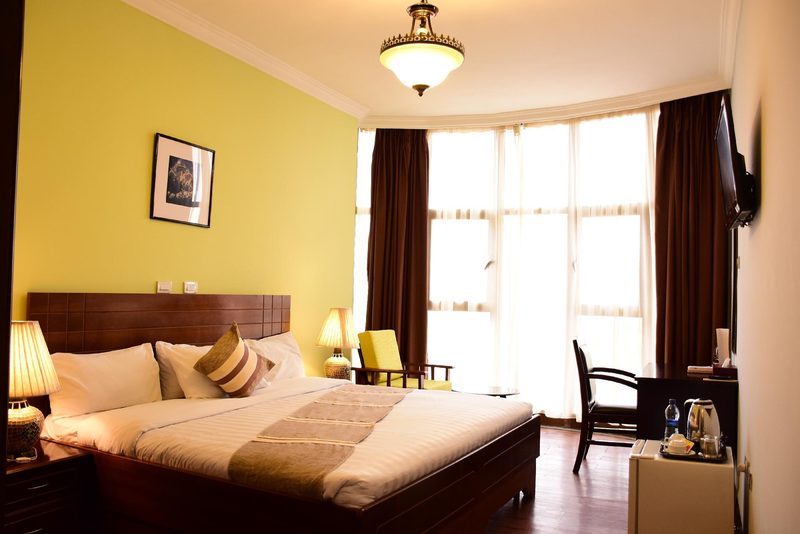
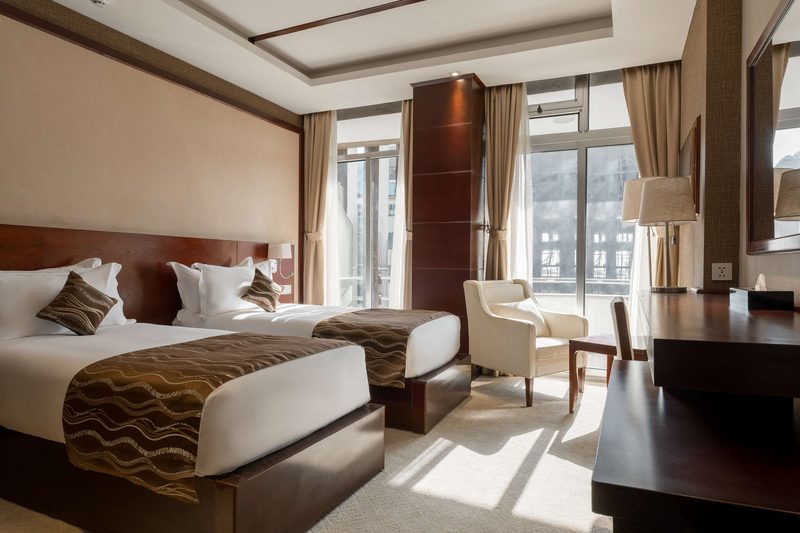
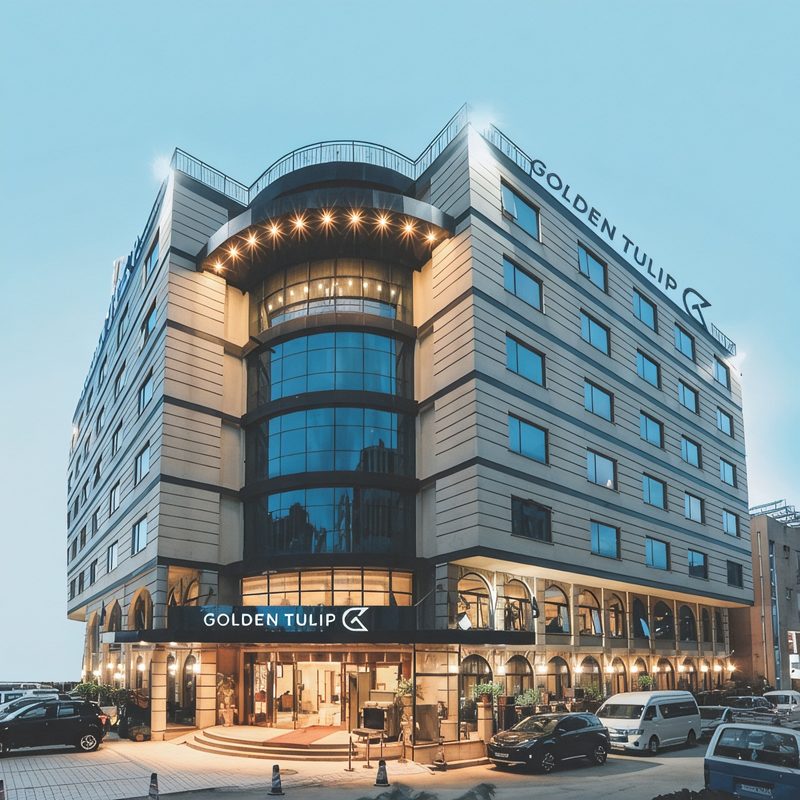
Where to Stay in Ethiopia in June
Hand-picked hotels across price tiers for June travellers.
Packing Checklist
Bookmark this page — your progress is saved between visits
Need the full list with shopping links?
Climate-specific gear, brand recommendations, and what to leave at home.
View Ethiopia Packing List →Essential Tips
Insider knowledge and common pitfalls to avoid
Insider Knowledge
Ethiopia runs on its own calendar and its own clock. Ignoring either one confuses every interaction. The Ethiopian calendar has thirteen months. It sits seven or eight years behind the Gregorian calendar. Dates on local signs and invitations look completely wrong until you adjust. Ethiopian time starts at dawn. Six AM marks their 12 o'clock. People stating 'meet at 2 o'clock' often mean 8 AM by your watch. Always confirm 'Ethiopian time or faranji time?' before agreeing to anything scheduled. Master the difference. Save headaches. Stay on track.
Injera, the spongy, sour, slightly rubbery teff-flour flatbread that is both plate and utensil for almost every Ethiopian meal, is an acquired taste for many first-timers. This sourness originates from natural fermentation over two to three days. The texture remains unlike any bread you have eaten before. Give it three meals before judging. By the fourth, you will likely start craving it. Master the technique quickly. Tear a small piece. Pinch a mouthful of wat (stew) with your right hand. Eat both together. Avoid using your left hand. It is considered impolite. Adapt fast. Enjoy fully.
Altitude sickness is a real and underestimated risk. Addis Ababa sits at 2,355 m (7,726 ft). This elevation exceeds most cities tourists visit anywhere in the world. Symptoms like headache, fatigue, and shortness of breath hit within hours of landing. Drink water aggressively on your first day. Skip alcohol for the first 24 hours. Do not plan a major hike or church climb on arrival day. Simien Mountains trails reach above 4,000 m (13,123 ft). Acclimatisation days are not optional. Your itinerary must include rest. Plan carefully. Stay safe.
Ethiopia does not have beaches. The country has been landlocked since Eritrea's independence in 1993. The 'ethiopia beaches' search brings many travelers here. This query leads to disappointment unless you recalibrate. Lake Langano sits about 200 km (124 miles) south of Addis Ababa in the Rift Valley. Sandy lakeside shores define this spot. It remains the one major lake considered safe for swimming. The water feels pleasant and warm. Birdlife along the shore proves spectacular. Remember it is a freshwater lake on a highland plateau. Do not expect the Indian Ocean. Manage expectations. Enjoy the reality.
Avoid These Mistakes
Stop packing for tropical heat instead of highland cool. Most first-timers assume Ethiopia will be hot because it is in Africa. They arrive in shorts and sandals to find Addis Ababa mornings at 11 degrees Celsius (52 degrees Fahrenheit) with a cold rain falling. The highlands house most tourist sites. Temperatures remain temperate to cool year-round. June's average high of 23 degrees Celsius (74 degrees Fahrenheit) stays pleasant. Mornings and evenings demand layers. Rain makes it feel cooler still. Adjust your packing list. Prepare for change. Stay comfortable.
Avoid trying to cover the entire historical route by road in June. Distances between Addis Ababa, Bahir Dar, Gondar, Lalibela, and Axum prove enormous. Roads between some cities stay unpaved. June rains transform these dirt paths into hours-long ordeals. Internal flights between these cities cost relatively little. They save days of overland travel. Driving the full loop in two weeks during dry season remains ambitious. June travel often proves impractical. You need a serious 4x4 and a flexible schedule. Skip the road. Take the sky. Save your energy.
Do not assume credit cards work outside major Addis Ababa hotels. Ethiopia's economy runs overwhelmingly on cash, and ATMs outside the capital fail often. Arrive with enough US dollars (clean, post-2006 bills, no tears or marks) to exchange at banks in Addis Ababa for Ethiopian birr, and carry enough birr in cash for your entire regional itinerary. Running out of cash in Lalibela or the Omo Valley is not an inconvenience. It is a genuine problem.
Ready to plan your trip to Ethiopia?
Now that you've got the research covered, here's where to go next.
Explore More Activities in Ethiopia
Didn't see anything interesting yet?
Browse Viator's full catalog of tours, day trips, food experiences, and private guides in Ethiopia.
See All Ethiopia Tours on Viator