
Things to Do in Ethiopia in September
September weather, activities, events & insider tips
Low Season · Budget Friendly
September Weather in Ethiopia
Long-run averages for September in Addis Ababa
71°F (21°C)
High Temp
52°F (11°C)
Low Temp
5.2 inches (132 mm)
Rainfall
82%
Humidity
13
Sunny-Day UV
⚠ Heavy afternoon downpours can dump intense rainfall in under an hour, flooding low-lying streets in Addis Ababa and washing out unpaved rural roads across the highlands. If driving outside the capital, start early. Aim to reach your destination before the afternoon buildup.
⚠ Mosquito populations increase with September's standing water, with malaria risk elevated below 2,000 m (6,562 ft) in the Rift Valley lakes region and the Omo Valley. Prophylaxis is recommended for any travel outside the highlands. Standing water near lakeside lodges breeds mosquitoes even at moderate elevations.
⚠ Landslide and rockfall risk increases on mountain roads during and after heavy rain, above all on the switchbacks between Gondar and the Simien Mountains and the escarpment routes through the northern highlands. Travel these roads only with experienced local drivers who know current conditions and can read the terrain.
Making the most of September in Ethiopia? Browse tours and activities in Ethiopia on GetYourGuide.
Is September Right for You?
Weigh the advantages and considerations before booking
Advantages
- + September lines up Ethiopia's two grandest celebrations back to back. Enkutatash on September 11 fills Addis Ababa's neighborhoods with the smoky sweetness of burning eucalyptus and olive branches. Meskel on September 27 builds to a towering bonfire at Meskel Square that draws hundreds of thousands. No other month gives you both.
- + The Ethiopian Highlands hit peak green in September. They are carpeted in the yellow-gold Meskel daisies that Ethiopians call Adey Abeba. Entire hillsides turn from the Entoto ridge above Addis Ababa down through the Great Rift Valley into something that barely looks real after months of rain. For landscape photographers, this is the single best month of the Ethiopian year. The soft, diffused light filtering through September's cloud cover gives the highlands a painterly quality that dry-season blue skies cannot replicate.
- + Tourist numbers hit their annual floor. This transforms every major site. Lalibela's rock-hewn churches, normally thick with tour groups by mid-morning, are quiet enough to hear the priests chanting inside Bet Medhane Alem. Gondar's Royal Enclosure feels almost private. Accommodation rates tend to drop well below the October-to-January peak. Availability at guesthouses near popular sites opens up even on short notice.
- + The heaviest rains are behind you. July and August dump 9.4 and 9.5 inches (239 and 241 mm) respectively on Addis Ababa. September's 5.2 inches (132 mm) is roughly half that load. Each week the showers grow shorter and less frequent. By the last ten days of the month, you are likely getting more sun than rain. You are catching the sweet spot between green-season drama and steadily improving conditions.
Considerations
- − Rain still arrives on many September afternoons in heavy, concentrated bursts. These can last thirty to ninety minutes. Streets in Addis Ababa flood ankle-deep in lower-lying neighborhoods. Unpaved roads outside the capital turn to thick reddish-brown mud. Some rural routes, notably those serving the northern historical circuit and the Omo Valley, may be partially washed out or impassable without a capable four-wheel-drive vehicle and an experienced driver.
- − Persistent cloud cover across the highlands, above all from morning through early afternoon, regularly obscures mountain panoramas and long-distance views. If the Simien Mountains' 4,550 m (14,928 ft) peaks or the Blue Nile Gorge's plunging cliffs are the reason you came, there is a real chance you will spend mornings looking into grey walls of mist rather than the landscape behind them. Late-afternoon clearings happen. They are not guaranteed.
- − Ethiopian Airlines' domestic flights experience more delays and occasional cancellations during the tail of Kiremt. Rerouting overland when a flight drops is complicated by the same rain that grounded you. If your itinerary strings together Addis Ababa, Lalibela, Gondar, and Axum with single-day connections, one weather delay can cascade through the rest of your trip. Building a full buffer day between each destination is not optional.
Short on time in September? See day trips around Ethiopia on GetYourGuide.
Best Activities in September
Top things to do during your visit
September in Ethiopia catches the country at a turning point. The kiremt rains that drench the highlands through July and August are loosening their grip, with rainfall dropping from August's deluge to around 5.2 inches across the month. Mornings in Addis Ababa break cool, around 52°F, with low clouds draped over the eucalyptus-covered hills and the sharp scent of wet earth rising from unpaved lanes. By afternoon the air warms to a mild 71°F, and the sun cuts through in longer intervals than it has since June. The highlands are saturated and impossibly green, every hillside terraced with crops at their tallest, and the rivers and waterfalls across the Ethiopian plateau run at near-peak volume from months of accumulated rain. This is Ethiopia at its most lush, though still firmly in the wet season, and travelers who come now find the country largely to themselves. The rhythm of daily life in September follows the rain. Mornings tend toward clarity, the sky scrubbed pale blue, and most outdoor activity concentrates before early afternoon, when clouds typically rebuild and showers roll through, sometimes heavy but rarely lasting more than an hour or two. The smell of roasting coffee beans drifts from every neighborhood, and the clatter of jebena pots on charcoal stoves is the background percussion of Ethiopian social life. Restaurants in Addis Ababa serve warming stews, the sour tang of injera mingling with the heat of berbere spice, and the cooler temperatures make the city walkable in a way that the dry-season dust and glare do not. For those concerned about safety, Ethiopia's major tourist corridors, Addis Ababa, Lalibela, and the well-established Omo Valley tour routes, have long-established infrastructure for visitors, though travel insurance is worth arranging before departure, and a visa is required for most nationalities and available electronically. Hotels in Addis Ababa and at major sites operate well below capacity in September, which means better rates and more attentive service. Ethiopia is not a beach destination and never has been. But what it offers, a highland civilization older than most on earth, food unlike anything else on the continent, and landscapes that shift from alpine meadow to desert canyon within a day's drive, is at its most dramatic when the rains have turned everything emerald. The question of whether September is the best time to visit Ethiopia depends on what you want. The classic dry season, October through February, delivers cloudless skies and easier road travel. But September's green season brings rewards the dry months cannot: waterfalls at full roar, farmland laced with yellow Meskel daisies just beginning to bloom toward month's end, cooler temperatures that make hiking comfortable, and an intensity of color, jade hills against charcoal storm clouds, that photographers wait all year for. The tradeoff is mud on rural roads and the occasional rained-out afternoon. But if your itinerary centers on Addis Ababa, Lalibela, or structured tours with experienced operators, September works well and costs less.

Vintage Coffee Shops, Restaurants, Sightseeing in Addis Ababa
guided_experienceThreads through Addis Ababa's layered coffee culture, from century-old roasting houses in the Piazza district to modernist cafes in the Bole neighborhood, pairing coffee with food and architectural context.
Addis Ababa invented the coffee ceremony, and this tour takes you inside the tradition with the depth of a local, not the gloss of a tourist.
Insider tip: Ask your guide to include Tomoca, the narrow standing-room espresso bar near Piazza where Addis residents have been drinking macchiatos since the 1950s, and go before 10 a.m. when the crowd is thinnest and the first roast of the day is freshest.

Addis Ababa Food Tasting Tour
foodA walking education in Ethiopian cuisine, moving through local eateries and market stalls to explore the full range of flavors, from tej bet to refined takes on classic dishes.
Ethiopian food cannot be understood from a single restaurant, and this tour maps the full range, from the humblest tej bet to refined takes on classic dishes, in a single afternoon.
Insider tip: Eat lightly before the tour, as the portions at each stop are generous, and save room for the final coffee ceremony, which often includes popcorn, a traditional Ethiopian pairing that surprises first-timers.

Addis Ababa City Tour - Museums, Markets & Coffee Experience
culturalCompresses the capital's essential layers into a single guided day, covering the National Museum (home to Lucy), the Merkato market, and a full Ethiopian coffee ceremony.
This is the single best orientation day in Addis Ababa, covering three million years of human history, the chaos and commerce of modern Ethiopia, and the ritual that defines Ethiopian hospitality.
Insider tip: Wear shoes you do not mind getting muddy in September, as the Merkato's unpaved sections turn slick after rain, and keep valuables in a front pocket or cross-body bag rather than a backpack.
This month: September rains can make the unpaved sections of Merkato muddy and slippery. Waterproof shoes and a compact rain jacket earn their weight.

6-Day Omo Valley Cultural Private Tour
private_tourTravels south from Addis Ababa into one of the most ethnographically varied corridors on the planet, visiting Mursi, Hamer, Karo, and Dassenech peoples to experience distinct languages, body-art traditions, and pastoral economies.
The lower Omo Valley is a UNESCO-listed culture with more linguistic and ethnic variety per square kilometer than almost anywhere on earth, and a private tour lets you move at the pace the encounters deserve.
Insider tip: Bring small denominations of local currency for photography permissions, which are expected and fair, and pack a headlamp, as lodges in the Omo Valley often rely on generator power that cuts out after 10 p.m.
This month: September is late in the Omo Valley's wet season, and some unpaved roads between villages may be difficult or impassable after heavy rain. Confirm current road conditions with your tour operator before departure.

Addis Ababa City Tours With Cocking Class of Ethiopian Food
guided_experiencePairs sightseeing with hands-on kitchen work, teaching foundational cooking techniques for Ethiopian stews and spices, culminating in a communal meal of the food you prepared.
Knowing how to cook Ethiopian food transforms every meal you eat for the rest of your trip, and this class teaches the foundational techniques, the slow-cooked onion base, the spice layering, the injera timing, that define the cuisine.
Insider tip: Ask your instructor to teach you the proper technique for making a gursha, the hand-fed bite of food offered as a gesture of affection in Ethiopia. Practicing in class saves you the awkwardness of fumbling it at a dinner with locals.

2 Day Lalibela Tours
guided_experienceReaches the extraordinary site of eleven medieval churches carved downward into solid volcanic rock, allowing time to explore both the northern and eastern church clusters, including the famous Bete Giyorgis.
Lalibela is the single most important historic site in Ethiopia and among the most notable pieces of architecture anywhere, a place that demands slow looking and a second morning to absorb.
Insider tip: Visit Bete Giyorgis first thing in the morning, before 8 a.m. if possible, when the low sun fills the trench with warm light and the tourist groups from Addis Ababa have not yet arrived. The silence of the empty courtyard, broken only by a priest's murmured prayer, is the way the site is meant to be experienced.
This month: Lalibela sits at roughly 2,500 meters elevation, and September's tail-end rains keep temperatures cool with occasional afternoon showers. Bring layers for the chilly mornings and a rain shell for the walks between church clusters.
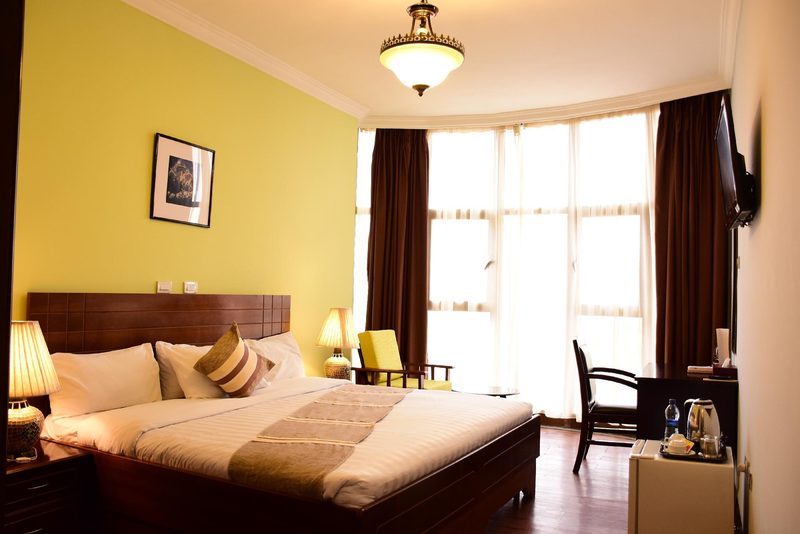
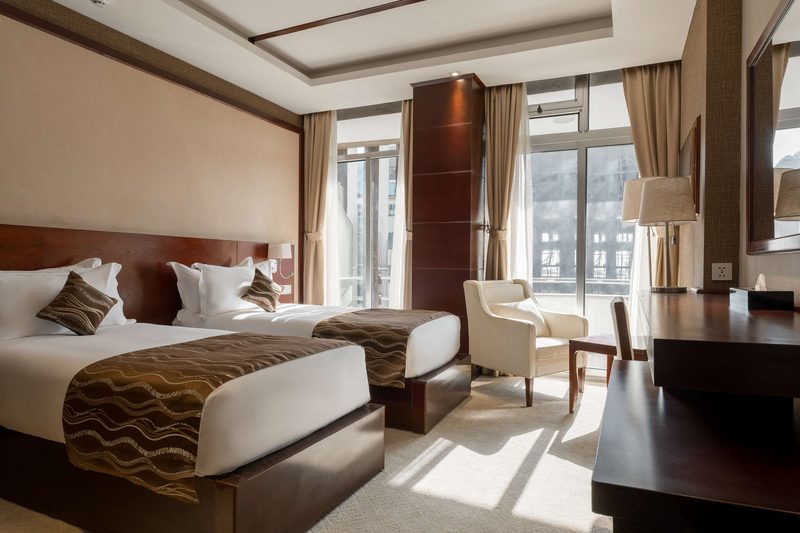
Where to Stay in Ethiopia in September
Hand-picked hotels across price tiers for September travellers.

Public Holidays in September
Dates that affect opening hours, transport and crowds
እንቁጣጣሽ/የዘመን መለወጫ/አዲስ አመት
Known in English as Enkutatash. Observed nationwide as a public holiday.
መስቀል
Known in English as Meskel (Orthodox). Observed nationwide as a public holiday.
እንቁጣጣሽ/የዘመን መለወጫ/አዲስ አመት
Known in English as Enkutatash. Observed nationwide as a public holiday.
መስቀል
Known in English as Meskel (Orthodox). Observed nationwide as a public holiday.
Packing Checklist
Bookmark this page — your progress is saved between visits
Need the full list with shopping links?
Climate-specific gear, brand recommendations, and what to leave at home.
View Ethiopia Packing List →Essential Tips
Insider knowledge and common pitfalls to avoid
Insider Knowledge
Ethiopia runs on its own clock, and this is not a figure of speech. Ethiopian time starts at 6 AM rather than midnight, so when an Ethiopian says 'two o'clock' they mean 8 AM by your watch. Every bus schedule, domestic flight, and business appointment operates on this system outside explicitly international contexts. Always ask 'Ethiopian time or faranji time?' when confirming anything, or you will miss something that matters. It sounds like a minor quirk until you show up six hours late for a tour pickup.
The countryside within two to three hours of Addis Ababa in September is at its most spectacular and almost completely untouristed. Debre Libanos monastery, about two hours north, sits on a road that winds along the rim of the Blue Nile Gorge with waterfalls in full September force cascading into the valley below, the mist rising back up to soak the eucalyptus forest at the rim. Wonchi Crater Lake, roughly three hours west, fills a collapsed volcanic cone rimmed by dense forest and reachable on horseback from the crater rim, and in September you will likely share it with nobody. Neither requires more than a day. Both are more visually striking right now than anything the dry season can offer.
Injera, the spongy sourdough flatbread made from tef flour that is both plate and utensil for every Ethiopian meal, will likely upset your stomach for the first day or two. The three-day fermentation that gives injera its sour, tangy character introduces bacteria your gut has never encountered, and the adjustment period is nearly universal among first-time visitors. Start with smaller portions. Eat slowly. By day three your system will have caught up, and the way the injera tears cleanly and absorbs the oily, spiced heat of a well-made wot becomes one of those sensory pleasures you find yourself thinking about long after you leave Ethiopia.
September's festival period means domestic Ethiopian Airlines flights fill early as Ethiopians travel to their home regions for Enkutatash and Meskel. Book internal flights at least three weeks ahead, with the Addis to Lalibela and Addis to Bahir Dar routes filling first. If a route sells out, check back 48 hours before departure, as cancellations and rebookings often free seats at the last minute. The main tourist circuit of Addis Ababa, Lalibela, Gondar, and Bahir Dar has been stable and well-traveled for years, though conditions in some other parts of northern and western Ethiopia have been variable. Check your government's current travel advisory before finalizing any route that extends beyond the established circuit.
Avoid These Mistakes
Packing for tropical heat because Ethiopia sits near the equator is a mistake. The highlands, where every major tourist destination is located, sit above 2,300 m (7,546 ft), and September evenings in Addis Ababa at 11°C (52°F) feel cold. Lalibela, Gondar, and the Simien Mountains are colder still. Travelers who arrive in shorts and sandals spend their first day buying fleece at Merkato and wondering why nobody warned them.
Booking tight same-day connections between domestic flights or between a flight and an overland transfer is risky. Ethiopian Airlines domestic services run behind schedule more often during Kiremt, and a single delay at Lalibela can strand you overnight if there is no next-day connection. Leave a full buffer day between each destination. Treat it as non-negotiable. Use the spare time for the kind of unplanned wandering that produces the trip's best moments.
Assuming September rain falls all day and writing off outdoor plans entirely is wrong. It does not. Most days follow a pattern: clear or partly cloudy mornings, cloud buildup around midday, and a concentrated downpour between roughly 2 PM and 5 PM that clears by evening, often revealing copper-tinged sunset light. Schedule outdoor activities for morning. Keep afternoons for museums, coffee ceremonies, or covered markets. You will lose very little usable time to weather.
Ready to plan your trip to Ethiopia?
Now that you've got the research covered, here's where to go next.
Explore More Activities in Ethiopia
Didn't see anything interesting yet?
Browse Viator's full catalog of tours, day trips, food experiences, and private guides in Ethiopia.
See All Ethiopia Tours on Viator