
Things to Do in Ethiopia in July
July weather, activities, events & insider tips
Low Season · Budget Friendly
July Weather in Ethiopia
Long-run averages for July in Addis Ababa
70°F (21°C)
High Temp
53°F (11°C)
Low Temp
9.4 inches (239 mm)
Rainfall
83%
Humidity
12
Sunny-Day UV
⚠ Flash flooding poses a real hazard on unpaved roads and in low-lying valleys throughout the highlands. Avoid driving or hiking through gorges during or immediately after the heavy afternoon storms that roll in most days between 2 and 5 PM. Wait it out.
⚠ Landslide risk increases significantly on mountain roads during Kiremt, on the routes between Dessie and Lalibela and the approach roads to the Simien Mountains. Travel during the drier morning window and check current road conditions with locals or your guesthouse before departing. Ask first.
⚠ Weeks of standing rainwater create mosquito breeding grounds below 2,000 m (6,562 ft), around Bahir Dar, the Rift Valley lake towns, and the eastern lowlands near Harar. Malaria prophylaxis is strongly recommended for any itinerary that includes destinations below highland altitude. DEET repellent should be applied consistently from late afternoon onward. Take your pills.
Making the most of July in Ethiopia? Browse tours and activities in Ethiopia on GetYourGuide.
Is July Right for You?
Weigh the advantages and considerations before booking
Advantages
- + Blue Nile Falls hits peak volume in July, when highland runoff swells Tis Abay into a roaring 45-metre (148-foot) curtain of mist and thunder that you can feel on your skin from 200 metres away. This is the single best month to see it. It is one of the few Ethiopian attractions that is improved by the Kiremt rains.
- + The Ethiopian Highlands transform into a landscape so intensely green it looks misplaced, with terraced farmland around Lalibela and the ridgelines above Gondar resembling Southeast Asian rice country more than the Horn of Africa. If you photograph landscapes or simply want the highland plateau at its most dramatic, July's palette has no rival.
- + Tourist numbers fall to a fraction of dry-season levels. The rock-hewn churches of Lalibela, Gondar's castle complex, and Addis Ababa's National Museum are likely yours alone. No jostling for position inside Bete Giyorgis. No queues at the Fasil Ghebbi gates. No competition for guesthouse rooms along the northern circuit.
- + Accommodation rates across the historic circuit tend to drop noticeably from October-through-March highs. Negotiating directly at guesthouses in Bahir Dar or Lalibela usually yields rates well below what online platforms list. Low season in Ethiopia rewards travelers who show up and ask.
Considerations
- − Addis Ababa's July rainfall of 239 mm (9.4 inches) is not an abstraction. Afternoon storms roll in almost daily between roughly 2 and 5 PM with enough force to turn unpaved roads into shin-deep red mud. Outdoor plans reliably shut down for a couple of hours each day.
- − The Omo Valley in the south and the Danakil Depression in the northeast, two of Ethiopia's most extraordinary draws, are functionally off-limits in July. Flash floods wash out single-lane roads. Bridges disappear under muddy water. Reputable operators suspend tours entirely until October at the earliest.
- − Persistent cloud cover and afternoon haze reduce visibility on scenic highland drives and obscure the mountain panoramas that are the whole reason many travelers visit. Photography-focused visitors will find the light frustrating more days than not. Clear mornings narrow to a few hours before the clouds roll down.
Short on time in July? See day trips around Ethiopia on GetYourGuide.
Best Activities in July
Top things to do during your visit
Ethiopia in July sits deep in the kiremt, the long rainy season that transforms the highlands into a landscape almost unrecognizable from the parched browns of December and January. Afternoon downpours arrive with startling punctuality, usually between two and five o'clock, hammering corrugated rooftops in Addis Ababa with a metallic roar and sending rivulets of red-brown water through cobblestone gutters. Mornings, though, tend to break cool and overcast, the air scrubbed clean and carrying the scent of damp eucalyptus from the hillsides ringing the capital. Average highs hover around 21°C and lows dip to about 11°C, making July one of the coolest months in Ethiopia. That is a sharp contrast to the scorching lowlands visitors might expect from the Horn of Africa. With roughly 239 mm of rain falling across the month, a proper waterproof jacket and shoes that can handle mud are not optional. They are as essential as a passport. The rain reshapes what a July trip to Ethiopia looks and feels like. The Entoto hills above Addis Ababa turn an almost fluorescent green, wildflowers dot roadside meadows, and waterfalls in the Simien Mountains and Blue Nile gorge run at their most thunderous. Hotel availability across the country loosens considerably because July falls outside the peak tourist window of October through March. That means shorter queues at Lalibela's rock-hewn churches and more personal attention from guides in the Omo Valley. Ethiopian food, the injera, the slow-simmered wots, the hand-roasted coffee, tastes even better on a cool, drizzly afternoon. Kitchens across Addis Ababa are in full form, their charcoal braziers glowing under tin awnings while the smell of berbere and toasted barley drifts into the wet streets. Safety across Ethiopia's main tourist corridors in Addis Ababa, the northern historical circuit, and the southern cultural route remains broadly consistent with other months. Travelers should confirm current advisories for border regions independently. The country does not have ocean beaches. But the freshwater lakes of the Rift Valley, Langano, Hawassa, Ziway, offer shoreline escapes even in the rainy season. Visa requirements for most nationalities are handled through Ethiopia's e-visa system. Securing travel insurance before arrival is a practical step given the remote terrain many itineraries cover.

Vintage Coffee Shops, Restaurants, Sightseeing in Addis Ababa
guided_experienceThe Vintage Coffee Shops, Restaurants, Sightseeing in Addis Ababa tour threads through the capital's older neighborhoods, where Italian-era architecture crumbles alongside modernist concrete towers built during the Derg years. The aroma of freshly roasted coffee beans seeps from doorways into streets still damp from the morning mist. Guides steer visitors into establishments most foreigners walk past. There is a decades-old pastry shop where layers of flaky baklava shatter at the touch. There is a café where a jebena ceremony develops on a bed of fresh grass cuttings with frankincense smoke curling overhead. There is a rooftop restaurant where you can taste kitfo, raw minced beef seasoned with mitmita and warmed in spiced butter, while watching rain clouds gather over Meskel Square far below. The tour captures how Addis Ababa eats and drinks when it is not performing for outsiders. You will hear the clink of macchiato cups in a dim Art Deco interior. You will hear the sizzle of tibs on a clay platter. You will hear the low hum of Amharic conversation in a room that has served the same regulars for thirty years.
A guided walk through Addis Ababa's living culinary history, from Italian-colonial cafés to traditional coffee houses most visitors never find on their own.
Insider tip: Ask your guide to include Tomoca, one of Addis Ababa's oldest coffee houses near Churchill Avenue. Arrive before mid-morning to stand elbow-to-elbow with office workers downing espresso at the worn wooden counter. The tiny room is thick with the smell of dark-roasted beans.
This month: July's cool temperatures and overcast skies make walking between cafés and restaurants comfortable compared to the warmer dry-season months. Plan around the typical afternoon downpour by scheduling the outdoor sightseeing portions for the morning.

Addis Ababa Food Tasting Tour
foodThe Addis Ababa Food Tasting Tour goes beyond the obvious injera-and-wot introduction to map the capital's food culture across neighborhoods, markets, and cooking traditions that shift block by block. In the Merkato area, the largest open-air market in Africa, vendors pile cones of turmeric, fenugreek, and dried chili on burlap sacks. The peppery dust catches in your throat as you navigate narrow aisles roofed with corrugated metal. The tour typically includes stops for shiro, a thick chickpea stew with a nutty, earthy depth, genfo, a dense barley porridge served with a well of spiced butter and berbere that glows brick-red, and a coffee ceremony where green beans are roasted over charcoal in front of you. The smoke mingles with incense until the first crack of the beans signals they are ready to grind. Ethiopia's food culture is inseparable from communal eating. You tear injera from a shared platter. You feed a companion by hand in the tradition of gursha. A tasting tour is the fastest way to learn the etiquette and flavors that underpin every Ethiopian table.
Covers the full spectrum of Addis Ababa's street food, market snacks, and sit-down dishes in a single guided session that no amount of solo wandering could replicate.
Insider tip: Wear shoes you do not mind getting muddy. The Merkato and surrounding streets in July are often slick with rain. The most rewarding stalls are the ones deepest inside the market's labyrinth.

Addis Ababa City Tour - Museums, Markets & Coffee Experience
culturalThe Addis Ababa City Tour covering museums, markets, and a coffee experience compresses the capital's sprawl into a single coherent day. The National Museum houses Lucy, the 3.2-million-year-old Australopithecus afarensis skeleton whose small, dark-boned frame lies in a climate-controlled case on the basement level. She is smaller than most visitors expect. She is all the more startling for it. From there the route typically moves to the Ethnological Museum inside Haile Selassie's former palace on the Addis Ababa University campus. Rooms display hand-painted Orthodox crosses, leather warrior shields, and ceremonial garments woven with intricate geometric borders you can almost feel the texture of through the glass. The coffee component closes the loop. You sit through a ceremony in a traditional setting, the smell of roasting beans and smoldering frankincense filling a room scattered with freshly cut grass. The host pours three rounds, abol, tona, bereka, each progressively lighter and sweeter.
The most efficient way to connect Ethiopia's deep human prehistory, its imperial past, and its living coffee culture in a single guided day.
Insider tip: At the National Museum, head to the basement first thing. Lucy's exhibit room is small and gets crowded by midday with school groups. Early visitors often have it nearly to themselves.
This month: July's overcast skies keep the temperature mild for walking between sites. But carry a compact umbrella. The transition from museum to vehicle to market often means short stretches in open air during unpredictable showers.

6-Day Omo Valley Cultural Private Tour
private_tourThe 6-Day Omo Valley Cultural Private Tour ventures south from Addis Ababa into one of the most ethnographically concentrated regions on earth. The Mursi, Hamer, Karo, and Dasanech peoples maintain traditions, body painting with white river clay, elaborate scarification, lip plates carved from local wood, that predate any written Ethiopian history. The drive south drops from the cool highlands into the Rift Valley lowlands. Even in July the lower Omo is warmer and drier than Addis Ababa, though scattered rains can make unpaved roads slippery and river crossings more dramatic. Brown water rushes over fords that were dry gravel a few months earlier. Markets in towns like Jinka and Key Afer are intensely sensory. You smell the sharp tang of fermented honey wine. You feel hand-tanned goat leather. You hear the low murmur of barter in languages that have no written form. You see Hamer women with ochre-red hair and heavy metal neck rings catching the flat light of an overcast sky.
One of the last regions in Africa where a half-dozen distinct ethnic groups live within a day's drive of one another, each with material cultures and rituals found nowhere else.
Insider tip: Negotiate photography expectations with your guide before entering any village. Communities in the Omo Valley have specific and varying customs around image-taking. Approaching this respectfully from the start avoids friction and produces far more genuine encounters.
This month: July rains can affect road conditions on unpaved routes in the Omo Valley. Confirm your operator's vehicle is four-wheel-drive. Allow flexibility in the itinerary for weather-related detours.

Addis Ababa City Tours With Cocking Class of Ethiopian Food
guided_experienceThe Addis Ababa City Tours With Cooking Class of Ethiopian Food pairs a morning of sightseeing with an afternoon spent learning to cook the dishes that define the country's cuisine. The cooking session typically develops in a traditional kitchen where your instructor demonstrates how to layer spices into a berbere blend from scratch. You smell the smoky bite of dried chili, the warm sweetness of cardamom, the earthy undertone of fenugreek. Then you move to the preparation of doro wot, the slow-simmered chicken stew that is Ethiopia's national dish. Standing over a clay mitad griddle while pouring teff batter into the thin, spongy rounds of injera is harder than it looks. The batter must be fermented for days beforehand and poured in a single spiral motion. The steam rises with a sharp, slightly sour smell that signals the fermentation is right. The sightseeing component covers central Addis Ababa landmarks. But the kitchen is the heart of this experience. You leave with the muscle memory of stirring a wot for an hour and the understanding that Ethiopian cooking is an act of patience, not shortcuts.
Transforms Ethiopian food from something you eat into something you understand, the spice ratios, the fermentation, the communal serving logic, and sends you home able to replicate it.
Insider tip: Bring a small notebook or photograph the spice-blending steps. The proportions of berbere vary by household. Your instructor's version is a recipe you will not find in any published cookbook.

2 Day Lalibela Tours
guided_experienceThe 2 Day Lalibela Tours cover the eleven medieval rock-hewn churches that King Lalibela commissioned in the twelfth and thirteenth centuries. Each was carved downward into the volcanic tuff of the Ethiopian highlands rather than built upward. That construction method still baffles engineers. Bet Giyorgis, the most photographed of the group, sits in a cruciform trench cut twelve meters deep, its roof flush with the surrounding ground. Standing at the lip and looking down, you see the pink-grey stone walls catching whatever light filters through Ethiopia's July cloud cover. Priests in white cotton robes move through doorways carved from the living rock. Inside the churches, the air is cool and carries the waxy smell of beeswax candles and the faint mustiness of goatskin manuscripts stacked on stone ledges. The sound environment shifts dramatically from the open courtyards, birdsong and the distant bleating of goats, to the interior chambers, where chanted liturgies echo off walls painted with wide-eyed saints in faded ochre and indigo.
The most ambitious excavated architecture on earth, still functioning as active Ethiopian Orthodox churches nine centuries after they were carved from solid rock.
Insider tip: Wear shoes with good grip. The stone passages connecting the churches are slick in the rainy season. Some tunnels are narrow, dark, and descend steeply. A small headlamp is more useful than a phone flashlight because it frees both hands.
This month: July is deep in Lalibela's rainy season. The surrounding hillsides turn bright green and the town is quieter than during peak season. But rain can make the stone walkways between churches slippery. Non-slip footwear is essential.
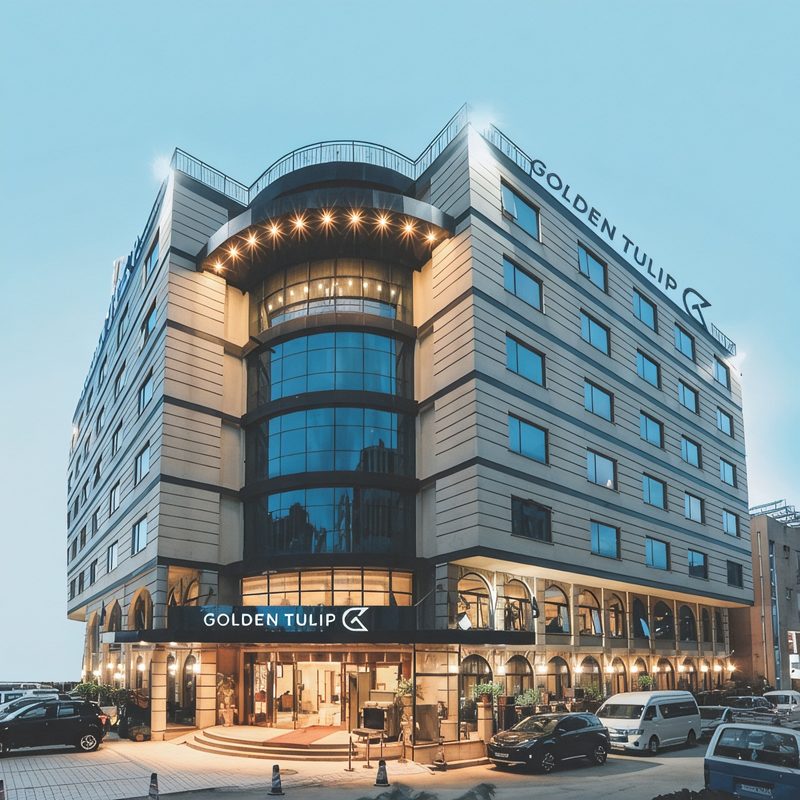
Where to Stay in Ethiopia in July
Hand-picked hotels across price tiers for July travellers.

Packing Checklist
Bookmark this page — your progress is saved between visits
Need the full list with shopping links?
Climate-specific gear, brand recommendations, and what to leave at home.
View Ethiopia Packing List →Essential Tips
Insider knowledge and common pitfalls to avoid
Insider Knowledge
Ethiopia runs on its own calendar. In July 2027 by the Gregorian reckoning, you are walking into Hamle 2019 by the Ethiopian one. Nearly eight years behind the rest of the world. This is not a curiosity for guidebook margins. Hotel booking confirmations sometimes reference Ethiopian dates without clarification. Domestic flight schedules do the same. Business hours too. Any time a date matters, ask whether it is Gregorian or Ethiopian before you commit to anything.
The Ethiopian Orthodox church enforces fasting on Wednesdays and Fridays year-round. Roughly a third of restaurants in Addis Ababa and across the northern circuit serve only vegan food on those days. No meat, no dairy, no eggs. For vegetarian and vegan travelers this is an unexpected windfall. Some of the best plant-based food anywhere in East Africa. If you came for kitfo and tibs, plan those meals for the other five days of the week.
Addis Ababa sits at 2,355 m (7,726 ft). Lalibela at 2,630 m (8,629 ft). Gondar at 2,133 m (6,998 ft). These are serious altitudes. They hit travelers arriving from sea level harder than expected. Spend at least 48 hours adjusting in Addis before flying to higher regional destinations. Drink water aggressively. Do not dismiss a persistent headache on your first day as jet lag. Altitude sickness at these elevations is common enough. Guesthouses along the circuit keep supplemental oxygen on hand.
ATMs in smaller towns along the northern circuit, Lalibela, Harar, and even parts of Bahir Dar, run out of cash unpredictably, sometimes for days at a stretch. International cards work at major Addis hotels and a handful of restaurants but are unreliable everywhere else. Carry enough local currency from Addis Ababa to cover several days of expenses before heading to any regional destination. Keep smaller denominations for guesthouse payments and tips where change is scarce. Plan ahead.
Avoid These Mistakes
Underestimating the altitude and jumping straight from sea level to the highland circuit without acclimatising. Addis Ababa sits at 2,355 m (7,726 ft) and Lalibela at 2,630 m (8,629 ft). Travelers who fly in from Dubai or Nairobi and immediately catch a connecting flight to Lalibela risk altitude sickness severe enough to lose two or three days of their trip to headaches and nausea. Build in 48 hours in Addis first. The city has enough depth to fill them easily.
Booking the Omo Valley or Danakil Depression for a July trip. These are Ethiopia's most visually dramatic landscapes, and they are precisely the places you cannot reliably reach during the Kiremt rains. Flash floods render single-track roads impassable. Bridges vanish under brown water. Any operator still running tours to either destination in July is cutting corners on safety that you do not want cut. Plan these for October through February and build your July itinerary around the northern historic circuit instead.
Packing for warmth and ignoring sun protection entirely. The Ethiopian Highlands sit nearly on the equator at extreme altitude, which means UV exposure is punishing even on overcast mornings. The clouds filter visible light but let ultraviolet through with an intensity that catches travelers off guard. People who pack a fleece and leave the sunscreen behind come home with burns they never felt through the cloud cover, on the backs of hands and necks during morning walks between churches. Bring both.
Ready to plan your trip to Ethiopia?
Now that you've got the research covered, here's where to go next.
Explore More Activities in Ethiopia
Didn't see anything interesting yet?
Browse Viator's full catalog of tours, day trips, food experiences, and private guides in Ethiopia.
See All Ethiopia Tours on Viator