
Things to Do in Ethiopia in February
February weather, activities, events & insider tips
Shoulder Season · Good Value
February Weather in Ethiopia
Long-run averages for February in Addis Ababa
77°F (25°C)
High Temp
49°F (9°C)
Low Temp
1.3 inches (33 mm)
Rainfall
50%
Humidity
14
Sunny-Day UV
⚠ Extreme ultraviolet exposure at altitude. Addis Ababa sits at 2,355 m (7,726 ft). The Simien Mountains climb past 4,500 m (14,764 ft). The thinner atmosphere filters significantly less UV radiation than at sea level. Sunburn can develop within an hour of unprotected exposure on clear February days. This happens even to travelers who rarely burn at lower elevations. Wear sunscreen.
⚠ Dry season dust concentrations spike on unpaved roads outside major cities, in the Omo Valley and Afar regions. Fine airborne particulates aggravate asthma and chronic respiratory conditions. Pack your medication where you can reach it quickly. Multi-day overland expeditions through these areas demand honest self-assessment of your health status. The dust is relentless. Plan accordingly.
Making the most of February in Ethiopia? Browse tours and activities in Ethiopia on GetYourGuide.
Is February Right for You?
Weigh the advantages and considerations before booking
Advantages
- + February sits squarely in Ethiopia's Bega dry season. Addis Ababa records just 33 mm (1.3 inches) of rain for the entire month. Roads to the northern historical circuit, Lalibela, Gondar, Bahir Dar, and the Simien Mountains, reach their most passable condition. Highland skies run clear from horizon to horizon. Trekking conditions across the escarpment are as good as they get all year.
- + Highland temperatures hit a sweet spot for active travel. Addis Ababa averages 25°C (77°F) days and 9°C (49°F) nights in February. You get warm afternoons without the draining heat that makes lowland East Africa exhausting. Cool evenings let you sleep without air conditioning. This matters. Reliable climate control outside Addis is uncommon.
- + February marks the tail end of Ethiopia's coffee harvest. Freshly processed beans from Sidamo, Yirgacheffe, and Harrar regions reach Addis roasting houses at peak quality. The jabena buna ceremony tastes measurably different now. Brighter. More fruit-forward. The same ceremony with stored beans later in the year cannot match it.
- + Dry weather and relatively warm daytime temperatures make February exceptional. Danakil Depression expeditions run reliably now. The Simien Mountains are hikeable without serious cold-weather gear above the escarpment. Omo Valley's unpaved roads become navigable. These three destinations are each individually season-dependent. They rarely align this well.
Considerations
- − Dry season means dust. Outside Addis Ababa, it is relentless. Unpaved roads to the Omo Valley and sections of the northern circuit kick up fine, rust-coloured powder. It coats camera sensors. It irritates lungs. It settles into every fold of clothing. Travelers with asthma or respiratory sensitivities should take this seriously. A buff or dust mask is essential, not optional.
- − February is peak tourist season for Ethiopia by local standards. The crowds are modest compared to Southeast Asian or Mediterranean destinations. The practical impact is still real. Licensed guides are limited. Mule teams in the Simien Mountains are limited. Danakil expedition slots are limited. These fill weeks ahead. Lalibela's guesthouses can sell out entirely.
- − The equatorial sun at Addis Ababa's altitude of 2,355 m (7,726 ft) punishes on clear February days. It intensifies in the Simien Mountains above 3,000 m (9,843 ft). Sunburn develops within an hour of unprotected exposure. Comfortable temperatures mask ultraviolet absorption. Travelers from northern latitudes are routinely caught off guard. Pack high-SPF sunscreen. Reapply often.
Short on time in February? See day trips around Ethiopia on GetYourGuide.
Best Activities in February
Top things to do during your visit
February hits the Ethiopian highlands at exactly the right moment. The heavy rains of kiremt are months past, and the brief belg showers of March and April haven't arrived yet, leaving Addis Ababa and the surrounding plateaus under broad, luminous skies. Daytime temperatures climb to around 25 degrees Celsius, warm enough that the eucalyptus-scented air feels loose and generous on bare skin. Nights cool to a brisk 9 degrees. Good for pulling a gabi shawl tight over your shoulders as you walk home from a late injera supper. Rainfall averages just 33 millimetres for the entire month, a fraction of what July and August deliver, which means unpaved roads in the Omo Valley stay passable and the light over the Simien Mountains holds that particular dry-season clarity, gold-edged and crystalline, that photographers covet. For travelers weighing when to visit Ethiopia, February sits in the sweet spot of the dry season, after the January peak but before the spring rains begin to build in March. The weather across the country is reliably mild and dry, making it one of the strongest months for overland travel to the south or trekking in the north. Addis Ababa itself operates at full rhythm. The Merkato thrums with the clatter of tin smiths and the sharp green scent of fresh chat leaves. Buna ceremonies develop on sidewalks in clouds of roasted-bean smoke. The city's expanding restaurant scene fills with the sour tang of fermenting teff and the slow burn of berbere on every block. Ethiopia is not a beach destination despite its size, but February's cooperative skies and comfortable temperatures make it good for the cultural, good food, and ethnographic experiences that define travel here. Safety for visitors in Addis Ababa and on established tourism circuits remains comparable to other East African capitals. Standard urban awareness applies, and guided tours handle logistics and local knowledge efficiently.

Vintage Coffee Shops, Restaurants, Sightseeing in Addis Ababa
guided_experienceThis guided experience threads through the capital's most storied coffee houses and eateries, places where the dark, oily aroma of freshly roasted Ethiopian beans has stained the walls for decades and where the hiss of the jebena pot is as constant as traffic noise outside. You move from the tile-floored elegance of Tomoca, where elderly men in pressed suits sip short macchiatos standing at the counter, to lesser-known neighborhood spots where the owner still roasts green beans over charcoal in the doorway, filling the street with a caramel-sweet haze. Between stops, the route folds in key Addis Ababa landmarks, giving context to the city's layered history as both an imperial capital and a modern African metropolis.
Ethiopia invented coffee, and this tour walks you through the living rooms where that tradition still tastes exactly as it did a century ago.
Insider tip: Ask your guide to include a stop at a tej bet, one of the honey-wine houses tucked into unmarked doorways along Bole Road, where the golden, slightly sour mead is poured from recycled glass flasks and pairs unexpectedly well with a late-afternoon kitfo plate.

Addis Ababa Food Tasting Tour
foodThis tour treats Ethiopian food as the complex, spice-driven cuisine it is rather than reducing it to injera-and-wat shorthand. You eat your way through neighborhoods most visitors never reach, tasting the peppery crunch of sambusa straight from the oil, the fermented sourness of a properly aged injera that almost fizzes on the tongue, and the rich, buttery melt of slow-cooked tibs served on a sizzling clay dish. Guides explain the regional distinctions, from the fiery Gurage kitfo traditions to the milder, butter-heavy dishes of Gondar, and you taste those differences side by side in the kitchens and street stalls of Addis Ababa.
Ethiopian food is one of the world's great undiscovered cuisines at the global level, and eating it with a knowledgeable local guide in the capital is the fastest route to understanding why.
Insider tip: Tell your guide you want to try ayib, the fresh cottage-style cheese that most tourists overlook because it sits quietly beside the louder flavors on the plate. Eaten with a pinch of mitmita chili, it is revelatory, cool and mild against the burn.

Addis Ababa City Tour - Museums, Markets & Coffee Experience
culturalThis full-day cultural sweep moves from the National Museum, where the 3.2-million-year-old bones of Lucy lie in a climate-controlled case under soft light, to the roaring, labyrinthine corridors of the Merkato, the largest open-air market in Africa, where the din of haggling voices and the clang of hammered metal compete with the sharp sting of raw spice dust in your nostrils. The tour closes with a traditional coffee ceremony, the slow three-cup ritual where green beans are roasted over coals, ground by hand in a wooden mortar with a percussive rhythm, and brewed in a clay jebena while frankincense smoke curls through the room. It is a well-structured day that covers the essential layers of Addis Ababa, from deep history to living commerce to sacred daily ritual.
Lucy, the Merkato, and a buna ceremony in a single guided day gives first-time visitors to Ethiopia a foundation that makes everything else they see in the country land harder.
Insider tip: At the Merkato, stay close to your guide in the spice section and buy a small bag of mekelesha, the warm finishing spice blend used in slow stews. It is lighter and more aromatic than berbere and almost impossible to find outside Ethiopia.
This month: February's dry, clear skies mean the Merkato's open-air sections are fully operational with no rain-driven closures of outdoor stalls, and walking between sites is comfortable in the mild highland warmth.

6-Day Omo Valley Cultural Private Tour
private_tourSix days in the Omo Valley is not sightseeing in any conventional sense. It is an immersion into communities where the Mursi still wear elaborate lip plates carved from clay, where Hamar women's ochre-rubbed braids catch the fierce lowland sun like polished copper, and where Karo men paint their bodies in white chalk and charcoal in geometric patterns that shift with the season and occasion. The drive south from Addis Ababa drops from cool highland air into the hot, acacia-dotted lowlands where the Omo River bends through dry scrubland, and the temperature rises sharply, the dust coating your arms and the interior of the vehicle within the first hour. A private guide navigates the cultural protocols that make these encounters respectful rather than extractive, and overnights in Jinka and Turmi offer basic but adequate lodges where the sound of goat bells and distant singing replaces any urban noise.
The Omo Valley holds one of the last concentrations of indigenous cultures in Africa maintaining pre-industrial traditions, and a private, multi-day format is the only way to engage with that reality beyond a surface snapshot.
Insider tip: Bring small denominations of local currency for the communities you visit, as portrait fees are customary and expected. Discuss the protocol with your guide before each village so you understand what is appropriate and what is not, rather than relying on assumptions.
This month: February's minimal rainfall keeps the unpaved Omo Valley roads in their best condition of the year, and river levels are low enough that crossings are straightforward. By contrast, July through September rains can make sections impassable.

Addis Ababa City Tours With Cocking Class of Ethiopian Food
guided_experienceThis experience pairs a half-day city orientation with a hands-on cooking class where you learn to build Ethiopian dishes from scratch, starting with the base: finely chopping a mountain of red onions until your eyes stream, then slowly cooking them down without oil until they caramelize into a deep amber paste that forms the backbone of every wat. You learn to blend berbere from its component spices, the toasted fenugreek and bishop's weed releasing a warm, almost floral fragrance as they hit the mortar, and you practice the wrist-flick technique of pouring injera batter onto a hot mitad griddle in a perfect spiral. The class takes place in a local home kitchen in Addis Ababa, not a hotel demonstration space, so the smells, the cramped efficiency of the workspace, and the rhythms are authentic.
You leave Ethiopia able to replicate its cooking at home, which is the most durable souvenir any food-focused traveler can carry.
Insider tip: Wear clothes you do not mind staining. Berbere and turmeric leave permanent marks on fabric, and the cooking process is gloriously messy. Your host will provide an apron. But splashes happen.

5 Days Omo Valley Tribal Tours
guided_experienceFive days in the Omo Valley covers the essential communities and landscapes without the sixth-day extension, trading one fewer overnight for a tighter, more focused itinerary that still reaches Mursi, Hamar, and Dorze villages. The Dorze stop, often in a towering bamboo-and-enset-leaf house that resembles a giant beehive from the outside, introduces the false-banana plant that this community weaves into everything: the spongy, slightly sour kocho bread you taste there has a texture unlike anything else in Ethiopian cooking, dense and chewy with a faintly fermented tang. The route south from Addis Ababa passes through the Great Rift Valley, where lakes Ziway and Langano glint flat and silvery under the February sun and pelicans cluster on the shoreline in startling white masses against the brown earth.
This itinerary delivers the core Omo Valley cultural experience in a tighter timeframe, good for travelers with limited days in Ethiopia who still want depth over speed.
Insider tip: Pack a headlamp and a portable battery pack. Lodges in Jinka and Turmi experience power outages regularly, and charging phones or cameras overnight is not guaranteed. A headlamp frees your hands for writing notes or sorting gear after dark.
This month: February falls in the Omo Valley's driest window, with negligible rainfall keeping roads firm and river crossings manageable. Daytime lowland temperatures are hot but not yet at their April peak.
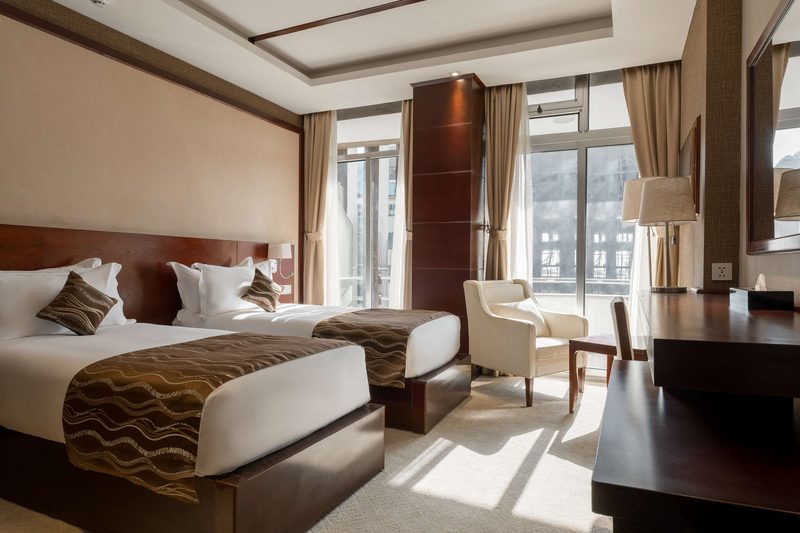
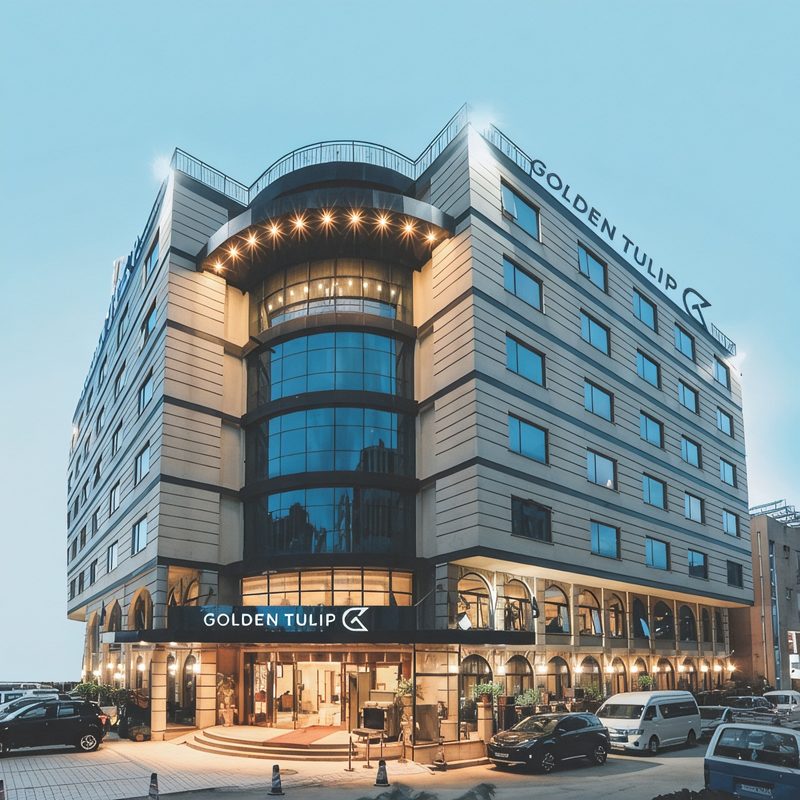
Where to Stay in Ethiopia in February
Hand-picked hotels across price tiers for February travellers.
Packing Checklist
Bookmark this page — your progress is saved between visits
Need the full list with shopping links?
Climate-specific gear, brand recommendations, and what to leave at home.
View Ethiopia Packing List →Essential Tips
Insider knowledge and common pitfalls to avoid
Insider Knowledge
Ethiopia runs on its own calendar and its own clock. Ignoring this will cause confusion within your first hour. The Ethiopian calendar is seven to eight years behind the Gregorian. February 2027 is roughly Yekatit 2019 in Ethiopia. The twelve-hour clock starts at dawn rather than midnight. When someone says 'two o'clock' they likely mean 8 AM by your watch. Confirm times by asking 'Ethiopian time or faranji time?' The misunderstandings dissolve.
Addis Ababa merits more than the single transitional day most itineraries allow. The National Museum of Ethiopia holds Dinknesh, Lucy, the 3.2-million-year-old hominid fossil that rewrote human evolutionary history. The Ethnological Museum, set inside Haile Selassie's former palace on the university campus, contextualizes Ethiopia's ethnic complexity better than any guidebook. For food, head to the Piazza neighbourhood and streets near Meskel Square. Injera houses there serve beyaynetu, eight or ten vegetable and legume preparations on a single injera. Orthodox fasting days are Wednesday and Friday. This is the best introduction to the real breadth of Ethiopian cooking.
Ethiopia is landlocked. There are no ocean beaches. Lake Langano, roughly 200 km (124 miles) south of Addis Ababa in the Rift Valley, is one of the few Ethiopian lakes safe for swimming. It is bilharzia-free, unlike most of its neighbours. The volcanic sand shores and warm, brown-tinged water are not tropical-island material. They are a genuine afternoon escape from the highland chill. Lakeside lodges are where Addis Ababa's middle class goes for long weekends. Worth it.
Ethiopia's e-visa system lets most nationalities apply online before arrival. Submit this at least two weeks ahead. Processing can take several business days. On safety, the situation varies meaningfully by region. Addis Ababa and the well-travelled tourist circuit, Lalibela, Bahir Dar, Gondar, Harar, have been welcoming international travelers consistently. Some border areas and regions with ongoing tensions may carry government travel advisories that shift on short notice. Traveling with a licensed guide on multi-day itineraries outside Addis is not just enriching. It is how you navigate checkpoint procedures and local conditions that change faster than any published guide can track.
Axum, in the far north, is worth the detour if your itinerary allows it. The standing stelae field, granite obelisks up to 24 m (79 ft) tall, carved in the 4th century by a civilisation that traded with Rome and Persia, is one of the most striking archaeological sites in Africa. The Church of Our Lady Mary of Zion next door is where the Ethiopian Orthodox Church claims the Ark of the Covenant resides. February's clear skies make the carved details on the stelae sharper and more photogenic than they appear under the overcast of the rainy months. Fly from Addis or Lalibela rather than driving. The roads, while improved, are long.
Avoid These Mistakes
Flying directly into Addis Ababa at 2,355 m (7,726 ft) and heading straight to the Simien Mountains at 3,200-4,550 m (10,499-14,928 ft) without acclimatization. Altitude sickness does not care about your fitness level. It is a function of ascent rate. Skipping even one day of adjustment in Addis can turn a dream trek into a medical evacuation. Spend at least two full days in the capital before going higher. Non-negotiable.
Assuming Ethiopia's distances translate to drive times the way they do in Europe or North America. The 640 km (398 miles) from Addis Ababa to Lalibela takes ten to twelve hours by road through mountain switchbacks and unpaved sections. Not the six hours your map application suggests. Domestic flights on the national carrier cover the same route in about ninety minutes. They cost a fraction of what most international travelers expect. Book them as soon as your dates are firm. February seats fill quickly.
Packing as if February means warm everywhere in Ethiopia. Addis Ababa hits 25°C (77°F) at noon. The Simien Mountains above 3,500 m (11,483 ft) can drop below freezing overnight. The Danakil Depression pushes past 45°C (113°F) at midday. Ethiopia in February spans roughly a 50°C (90°F) temperature range depending on your elevation. Travelers who pack for one climate arrive entirely unprepared for the other. Pack layers.
Ready to plan your trip to Ethiopia?
Now that you've got the research covered, here's where to go next.
Explore More Activities in Ethiopia
Didn't see anything interesting yet?
Browse Viator's full catalog of tours, day trips, food experiences, and private guides in Ethiopia.
See All Ethiopia Tours on Viator